
Your Ultimate Guide to the Best eSIM for Travel Right Now
You land in Tokyo and the airport Wi‑Fi is down, but your phone connects instantly because your best eSIM for travel activated automatically before you left. A travel eSIM is a digital SIM that lets you buy a local data plan without swapping physical cards. It offers instant activation, multi-profile switching, and often cheaper rates than international roaming. To use it, simply scan a QR code from your provider and select your plan in your phone’s settings.
Why Your Next Trip Needs a Digital SIM
Your next trip needs a digital SIM because it kills roaming anxiety before you even land. Instead of hunting for local SIM kiosks or overpaying for a patchy hotel Wi-Fi, you activate the best eSIM for travel from your couch. You get instant data the moment your plane touches down, skipping the airport markup and language barriers. A digital SIM also lets you keep your home number active for two-factor authentication, so you’re never locked out of banking or rideshare apps. It’s all about seamless connectivity without juggling tiny plastic cards—just scan a QR code and go.
How eSIMs eliminate roaming fees and physical swaps
By connecting to local networks via software, eSIMs bypass your home carrier’s international tariffs entirely, eliminating roaming fees through direct regional data plans. This removes the need for a physical SIM swap at your destination; you simply purchase and activate a local or regional package before departure or upon arrival. The digital profile overrides your primary line for data, so you avoid both per-megabyte charges and the hassle of carrying, ejecting, or losing tiny plastic cards. Your phone remains active on your home number for calls via VoIP while using the eSIM slot solely cost-optimized local connectivity.
eSIMs cut roaming costs by letting you instantly switch to local-rate data plans without ever touching a physical card.
Key advantages over traditional plastic SIM cards
A digital SIM eliminates the physical hassles of plastic cards: you can activate a travel data plan instantly before departure, avoiding airport kiosk queues and lost-card issues. Unlike a traditional SIM, an eSIM lets you keep your home number active while running a separate local plan—no swapping trays or worrying about damaged chips. You also avoid paying inflated roaming fees tied to a physical SIM’s fixed operator, and can switch between carriers via an app for better coverage or price without needing a new plastic card.
Crucial Criteria for Choosing a Travel eSIM
When hunting for the best esim for travel, coverage reliability tops the list. You need a plan that connects in every country on your itinerary, not just major cities. Next, check data allowances and speed caps—unlimited plans often throttle after a daily limit, so read fine print. Price transparency matters too; avoid plans with hidden activation fees or expiring data. Finally, ensure the eSIM supports easy top-ups via an app, as running out of data mid-trip is a hassle. These are the crucial criteria for choosing a travel eSIM that keep you connected without surprises.
Network coverage and local carrier partnerships
The quality of network coverage for any travel eSIM hinges entirely on its local carrier partnerships. A top-tier provider will boast agreements with multiple regional operators, not just one, ensuring you automatically connect to the strongest available signal in each country. This prevents reliance on a single network that might be weak in rural areas or inside buildings. For example, a partnership with both a primary 4G/5G carrier and a secondary backup network is crucial for consistent connectivity. Before purchasing, verify which specific local carriers an eSIM uses in your destination to avoid unexpected dead zones. Prioritizing providers with deep, multi-carrier local partnerships is the most reliable strategy for maintaining service.
Data allowances vs. speed throttling policies
When picking the best eSIM for travel, you’ve got to weigh data allowances vs. speed throttling policies carefully. A big allowance means nothing if the plan throttles you to nearly unusable speeds after just a few gigabytes, so check the fine print for how much data is at full speed versus reduced. For heavy streaming or navigation, prioritize plans that throttle only token amounts. Here’s the simple sequence to follow:
- First, define your trip’s typical data use (e.g., 5GB for maps and light browsing vs. 15GB for video calls).
- Then, compare eSIMs that offer close to your full allowance at non-throttled rates.
- Finally, pick the provider whose throttling policy kicks in as late as possible, ideally after your estimated monthly usage.
Regional versus global plan structures
When picking the best eSIM for travel, deciding between regional versus global plan structures is key. A regional plan covers a specific area, like Europe or Asia, often giving you cheaper rates if your trip is limited to one continent. A global plan bundles coverage across multiple regions worldwide, costing more but eliminating the need to swap eSIMs on a multi-stop journey. For frequent border-crossers, regional versus global plan structures dictate whether you save money or save hassle. Your choice comes down to itinerary scope.
- Regional plans are budget-friendly for single-continent trips.
- Global plans offer seamless coverage across diverse countries.
- Check data allowances per region, as they often differ in cost.
- Regional coverage can miss outlier destinations like islands or remote areas.
Top-up flexibility and plan expiration windows
When selecting the best eSIM for travel, top-up flexibility and plan expiration windows directly affect your connectivity. A flexible provider lets you add data mid-trip without buying a new plan, often with immediate activation. Expiration windows vary; some plans deactivate after 7 days, while others remain valid for 30, 90, or even 365 days. You should prioritize options that allow you to extend a plan rather than forfeit unused data, especially for multi-destination trips.
- Choose providers offering data-only or voice-add-on top-ups that work with your existing plan.
- Check if your eSIM plan’s expiration window resets after each top-up, or if the original expiry date remains fixed.
- Look for “no expiration” plans for data access reserved for occasional use over many months.
Top Contenders for Global Adventurers
For global adventurers, the top eSIM contenders are Holafly for its unlimited data plans across 160+ countries, and Airalo for its budget-friendly regional packages. Nomad excels with strong multi-network coverage in remote areas. Which eSIM is best for unpredictable off-grid travel? Airalo’s local-only options paired with a backup global plan from Holafly offer the most flexibility without commitments.
Airalo: Balance of price and worldwide reach
Airalo strikes a solid balance between price and worldwide reach, offering eSIMs that keep you connected across 190+ countries without breaking the bank. Their regional and global plans often undercut rivals for multi-destination trips, giving you cost-effective global connectivity for adventurers hopping from Asia to Europe. You pay only for what you need, with clear data tiers that avoid hidden fees, though local plans may beat Airalo’s rates if you stick to one spot.
Airalo’s mix of competitive pricing and broad coverage makes it a reliable pick for travelers who value flexibility without overspending.
Holafly: Unlimited data plans for heavy streamers
For heavy streamers seeking the best eSIM for travel without data caps, Holafly’s unlimited plans remove the anxiety of throttling during high-bandwidth use. A single purchase provides true unlimited data, not a soft cap, across multiple destinations. The activation sequence is straightforward:
- Select a destination-specific or regional “unlimited” plan via their app.
- Install the eSIM profile before departure using provided QR code.
- Enable data roaming upon arrival to stream 4K video, live TV, or large podcasts immediately.
Holafly typically does not throttle streaming speed, maintaining stable connections for platforms like Netflix or YouTube throughout a trip. This makes it a practical choice for digital nomads or content consumers who prioritize raw data volume over local phone numbers.
Ubigi: Strong Japanese and Asian coverage
For global adventurers prioritizing reliable connectivity in East Asia, Ubigi delivers superior Japan and Asia coverage unmatched by many rivals. Its native partnerships with NTT Docomo in Japan and leading carriers across South Korea, Taiwan, and Singapore ensure seamless 5G speeds in crowded stations and remote islands alike. Solo travelers benefit from straightforward eSIM activation and affordable regional data passes that avoid roaming headaches. From navigating Tokyo’s subways to live-streaming hikes in Thailand’s jungles, Ubigi maintains consistent performance without signal dropouts. Plans are easily top-up-able through a crisp app, making last-minute trips stress-free for the dynamic explorer.
Ubigi stands out for adventurers by offering robust, high-speed coverage across Japan and key Asian destinations, with reliable local network access that keeps you connected from city centers to secluded trails.
Nomad eSIM: Pay-as-you-go with multi-country options
For travelers crossing borders, Nomad eSIM’s pay-as-you-go with multi-country options offers practical flexibility without long-term commitments. You purchase data packages for specific regions or global bundles, topping up instantly via their app when needed. This model avoids roaming fees by tapping into local networks across dozens of countries, letting you activate a regional plan covering, for instance, all of Europe or Asia in a single transaction. Coverage prioritizes reliable LTE/5G speeds for navigation and messaging, with no hidden expiry on unused credit if you top up within validity. Ideal for spontaneous itineraries, you simply buy a new package when your current one depletes, avoiding the hassle of swapping SIMs mid-trip.
Google Fi: Seamless integration for U.S. travelers
For U.S. travelers, Google Fi’s seamless integration means your phone just works the moment you land. You don’t juggle multiple apps or codes—your existing number, texts, and data flow automatically at 4G LTE speeds in over 200 destinations. Billing stays simple at a flat $10 per gigabyte, and you can pause service when home without penalties. It’s perfect if you want zero setup fuss and prefer keeping your primary number active abroad.
Regional Specialists Worth Considering
For travelers prioritizing deep coverage over global convenience, regional specialists often outperform universal plans. For example, Nomad eSIM offers tailored Asia-Pacific packages with stronger local carrier partnerships than most global providers. A common question: “When should I choose a regional specialist over a global eSIM?” The answer is simple—when your itinerary is confined to one continent, as these plans typically deliver faster LTE/5G speeds and cheaper data per GB within their focus zones. Similarly, BNE eSIM excels for Europe-only trips, bundling EU-wide roaming at a flat rate without throttling. Cheers eSIM also stands out for North America, prioritizing reliable Verizon and T-Mobile routing over budget pricing. If you need multi-region coverage, stick with global offerings; but for single-destination travel, a specialist’s prioritized network access wins on reliability and value.
Europe: Orange Holiday and Three UK options
For European travel, Orange Holiday Europe and Three UK provide distinct, practical eSIM options. Orange Holiday offers a fixed data allowance—often up to 50GB—valid for 14 days across 30 European countries, with instant activation and a local French number for verification. In contrast, Three UK’s “Go Roam” eSIM bundles unlimited data on monthly plans, leveraging true roaming across EU nations without throttling for up to 30GB. The Orange plan suits shorter trips needing high data caps, while Three UK’s recurring subscription works for multi-week itineraries, ensuring seamless connectivity. Choose based on trip duration and data appetite for reliable, prepaid coverage.
Asia: eSIMs optimized for China, India, and Japan
For travelers, Asia eSIM specialists for China, India, and Japan solve three distinct connectivity puzzles. They pre-activate access to China’s Great Firewall-compliant networks, so you connect immediately without a VPN setup. In India, they prioritize local carriers like Jio for dense urban reliability and rural reach. For Japan, their plans often include soft SIM bandwidth limits to prevent throttling on high-speed trains. The practical sequence is:
- Install the eSIM before departure to bypass local ID registration hurdles.
- Activate the data-only profile upon landing to avoid roaming fees.
- Top up via the provider’s app if you exceed the Japan speed cap.
These region-tuned eSIMs eliminate the need to buy physical SIMs in chaotic station kiosks or haggle with foreign-language store clerks.
Americas: Roaming strategies for North and South
For traversing the Americas, a savvy strategy involves using a single regional eSIM that covers both North and South to avoid juggling multiple profiles. In the north, prioritize providers with strong Canadian and Mexican coverage alongside US networks, while for South America, ensure the plan includes Chile, Argentina, and Brazil’s major cities. This approach lets you seamlessly cross from Toronto to Buenos Aires without reconfiguring your device. A unified Americas roaming profile is essential for frequent border crossings.
- Check that the eSIM offers native LTE/5G in both Canada and Brazil simultaneously.
- Opt for plans with at least 10GB to handle data-heavy maps and uploads across diverse terrains.
- Verify support for regional hotspots like Patagonia and Yukon, not just major capitals.
Middle East and Africa: Coverage in less connected zones
For travel in the Middle East and Africa, coverage in less connected zones demands an eSIM that prioritizes regional roaming over global blanket plans. Specialists like Airalo and MTX Connect secure partnerships with local carriers such as Zain and MTN, ensuring stable 4G in remote Moroccan mountains or the Empty Quarter. These providers avoid the spotty hand-offs common with generic networks, offering direct access to signal towers in rural Kenyan savannas and Omani wadis.
- Works reliably in Saharan desert outposts without dropping to 2G.
- Accesses local infrastructure in southern Libya and northern Chad outskirts.
- Maintains connection across sparsely populated Namibian borderlands.
Comparing Cost-Effectiveness Across Providers
When comparing cost-effectiveness across providers for the best eSIM for travel, don’t just look at the total price—check the per-GB cost over your trip length. A regional plan that covers multiple countries might seem pricier upfront but often works out cheaper than buying separate local eSIMs. Quick Q&A: How do you compare cost-effectiveness? Divide the plan price by your estimated data usage; a $20/5GB plan costs $4/GB, while a $30/unlimited plan is wasteful if you only need 3GB. Also factor in validity—a 30-day plan beats buying two 15-day ones for the same trip. Always calculate your actual needs to avoid paying for unused data.
Short trip budgets versus long-term travel data
For short trips, pay-as-you-go eSIM plans often offer lower upfront costs, but their per-GB rate is typically higher, making them inefficient for heavy usage. Long-term travel data requires analyzing tiered data bundles versus monthly allowances to find true savings. A week-long vacation might favor a small, fixed-price plan, whereas a digital nomad benefits from a high-data subscription that reduces the average cost per gigabyte over several weeks. Mismatching trip duration with data volume leads to wasted money or top-up fees.
- Short trip budgets prioritize low initial payment, even if per-GB costs are elevated.
- Long-term travel data rewards subscriptions with decreasing per-GB rates over time.
- A 7-day plan for a month-long stay often costs more than a 30-day regional plan.
- Rollover data options can shift a short-trip plan into a cost-effective long-term solution.
Hidden fees and activation costs to watch
When comparing cost-effectiveness across providers, hidden fees and activation costs can silently sabotage your travel budget. Many budget eSIMs lure you with low per-GB rates but charge activation or “platform” fees during checkout. Others impose dormant account charges if you don’t use data for a set period. Always scan the final payment screen for unexpected taxes or “service initiation” line items. Activation costs are often front-loaded, making short trips less economical—a $5 eSIM with a $3 activation fee is actually 60% more expensive. Read the provider’s terms for any surcharges tied to top-ups or reusing the same profile on future trips.
Group or family plan discounts
For travelers covering multiple people, group or family plan discounts drastically alter cost-effectiveness. These plans bundle separate lines under a single account, often slashing per-person data costs by 30–50%. When comparing providers, look for plans that allow you to share a single data pool across up to five lines, avoiding pricey individual eSIMs. To maximize savings, first confirm all group members need similar data amounts, then select the provider with the most generous shared allowance. Choosing a family plan with unlimited low-speed data after the cap prevents surprise overage fees for any member.
- Identify all travelers and estimate their combined data needs.
- Compare bundled per-person rates against individual plan totals.
- Verify that all devices on the trip support the provider’s network bands.
Installation and Activation Made Simple
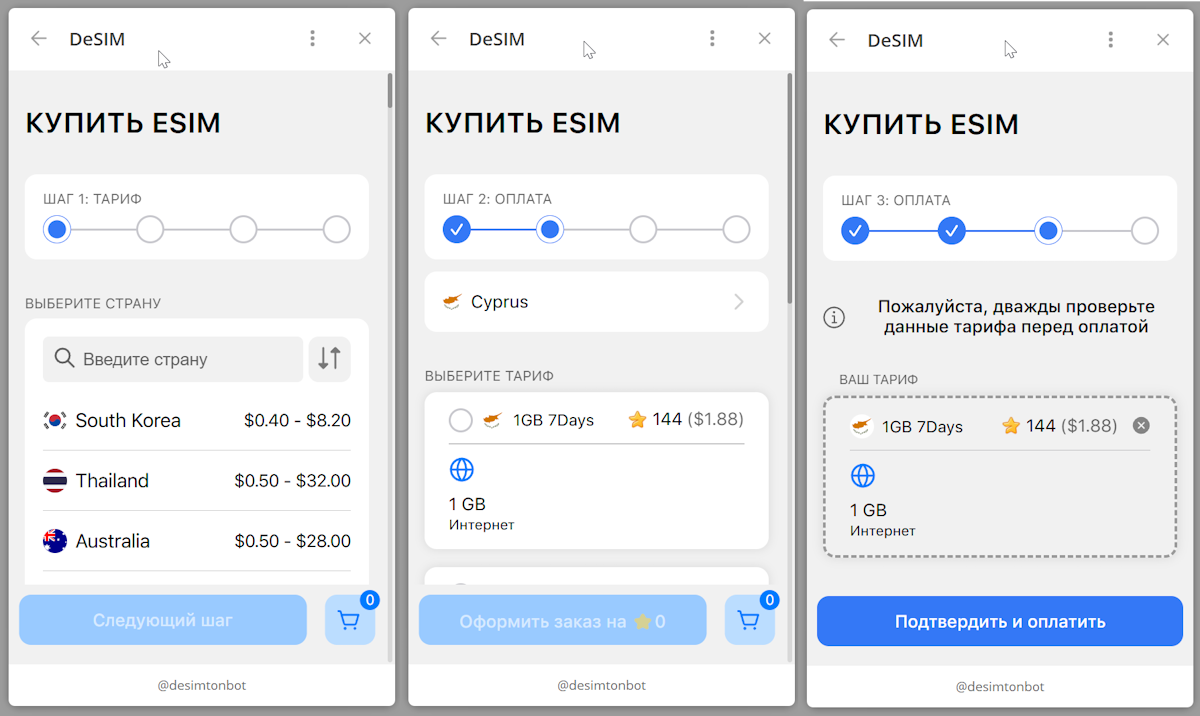
For the best esim for travel, installation and activation are refreshingly simple. You skip physical SIM cards entirely. Just scan a QR code sent to your email or download a provider’s app, and the eSIM profile installs automatically in under a minute. Activation happens when you land, often with a simple toggle to turn the data line on, with no need to hunt for local service desks or juggle tiny plastic cards. This streamlined process means you can stay connected immediately, making travel installation and activation made simple a true stress-saver.
QR code setup versus app-based installation
When choosing the best esim for travel, the installation method directly impacts convenience. QR code setup involves scanning a provided code to automatically download and activate the eSIM profile, often requiring only a stable internet connection and camera access. In contrast, app-based installation uses a dedicated application to manage the entire process, from purchase to activation, typically guiding users through manual profile downloads or automatic configuration. App-based installation offers superior ease of use for first-time travelers, as it simplifies selecting and activating a local data plan. QR codes remain reliable for quick, direct setup if your device supports manual eSIM management, but they lack the integrated support and troubleshooting built into a dedicated travel app.
Dual SIM management on iPhone and Android
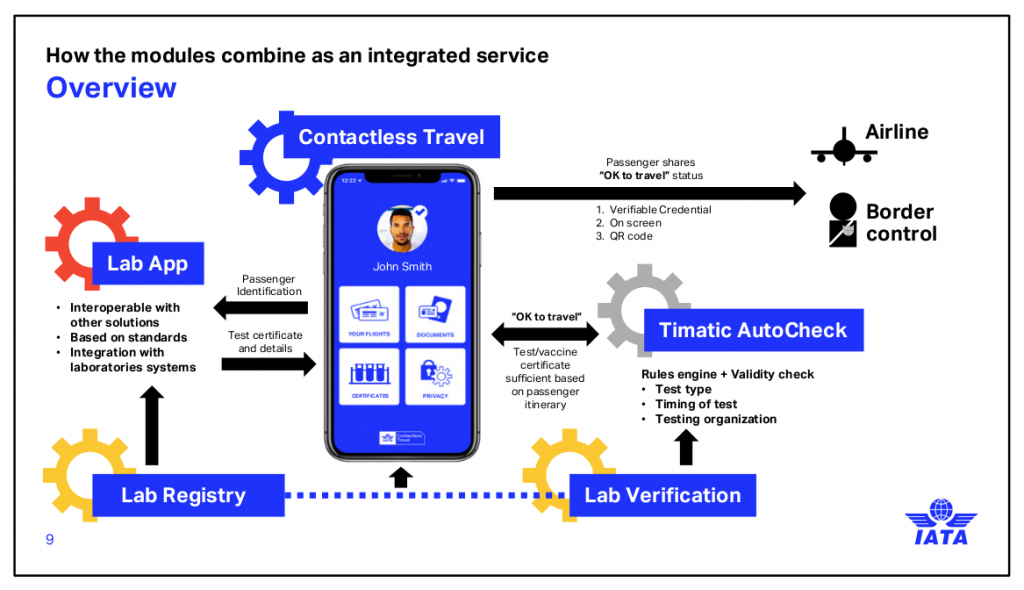
With Dual SIM management on iPhone and Android, you keep your home line active for calls while using an eSIM for travel data. On iPhone, navigate to Settings > Cellular to label each line (e.g., “Primary” for home, “Travel” for eSIM), then toggle Cellular Data to your travel eSIM. Android users assign default SIMs for calls, texts, and data under Network & Internet > SIMs; ensure your eSIM is selected for mobile data to avoid roaming charges on your physical card. Both operating systems let you switch data lines on the fly—crucial for topping up or switching providers mid-trip without removing physical cards.
Troubleshooting common activation errors
If your eSIM won’t activate, first check your phone’s compatibility—not all devices support eSIM profiles. A common glitch is a weak or unstable Wi-Fi connection; switch to a hotspot or restart your phone. For “No Service” errors, manually select the local network under cellular settings. APN settings often trip up activation—copy them exactly from your provider’s email. If you see “Invalid QR code,” request a new one from support. Restarting after installation usually fixes lingering sync issues.
Real-World Performance and User Reviews
Real-world performance of a travel eSIM depends less on advertised speeds and more on network prioritization. Airalo consistently receives user praise for stable, usable 4G/LTE speeds in major urban hubs, with reviews noting it rarely throttles during peak hours. Conversely, Holafly’s unlimited data plans often draw criticism for sudden speed caps after heavy usage, particularly in crowded transit zones like airports or train stations. High aggregate ratings on app stores do not reliably predict performance in low-infrastructure rural areas, where even top-scoring eSIMs can struggle with buffering. For trustworthy feedback, prioritize first-person accounts detailing specific cities and connection consistency over star counts alone.

Reliability in crowded airports and urban zones
When navigating packed terminals or bustling city centers, an eSIM’s real-world signal stability becomes your lifeline. Travelers frequently praise providers like Airalo and Holafly for maintaining seamless connectivity in London Heathrow or Tokyo’s Shibuya crossing, even during peak hours. However, local network congestion can throttle speeds—user reviews note that Google Fi often outperforms budget options in these hotspots. Does an eSIM work reliably during rush hour at major transit hubs? Yes, but only if the provider partners with premium local carriers; check recent reviews for your destination’s busiest zones to avoid dropped calls or stalled maps when you need them most.
Speed tests in rural and high-traffic areas
When you’re checking reviews for the best eSIM, pay close attention to how providers handle speed in rural and congested zones. In remote spots, some eSIMs like Ubigi or Airalo might crawl on local networks, while regional options like Holafly often maintain a steady 4G. At packed airports or festivals, a mainstream eSIM can get throttled into uselessness, yet a premium one with priority data holds strong. Testimonies show Google Fi keeps working in dense crowds, but budget plans fail entirely. Ignore peak-hour promises; you need real-world drops from travelers stuck in these exact situations.
| Scenario | Top Performers | Common Fails |
|---|---|---|
| Rural highways/mountains | Holafly, Google Fi | Budget Airalo, Global Yo |
| Airport/concert congestion | Google Fi, Ubigi (priority) | Discount eSIMs, free roaming |
Customer support responsiveness and refund policies
When choosing the best eSIM for travel, reliable customer support responsiveness is critical, as connectivity issues can strike mid-trip. Top providers offer 24/7 live chat or WhatsApp support with under 5-minute reply times, ensuring you’re never stranded without data. Refund policies vary sharply: the best eSIMs provide a full refund if you haven’t activated the plan, while others only offer credits for unused data. Money-back guarantees for first-time users signal confidence, but always check the fine print on activation conditions. Avoid brands with email-only support, as delays can ruin your itinerary.
- Look for providers with live chat support that resolves issues within minutes, not hours.
- Refund policies should clearly state a “no activation, no charge” rule for uninstalled eSIMs.
- Prefer brands offering prorated refunds for unused data if you run into coverage problems.
Pitfalls to Avoid When Buying Abroad
A critical pitfall when buying abroad is assuming any local eSIM works flawlessly; instead, always verify global compatibility before you purchase. Many travelers waste money on a “regional” plan that fails to activate in their specific destination. Avoid the trap of buying on arrival at the airport, as those plans typically carry the highest markups. Instead, pre-install a dedicated travel eSIM provider that offers transparent, flat-rate data. You should also confirm your phone is carrier-unlocked and supports eSIM technology. Ironically, the cheapest plan often costs you more in data throttling and coverage gaps when you need reliable connectivity most. Finally, never depend on public Wi-Fi for a critical download or transaction, as it exposes you to security risks a secure travel eSIM easily avoids.
Expiry traps and automatic top-ups
When hunting for the best esim for travel, watch out for expiry traps and automatic top-ups. Some providers delete your remaining data if you don’t use it within a set window, like 30 days. Even worse, auto top-up can silently drain your card the moment your balance drops. To avoid this:
- Check the validity period before buying—look for “no expiry” or “use within one year” options.
- Turn off any auto top-up feature in the account settings immediately after activation.
If a plan feels too good to be true, its expiry rules are probably the catch. Stick with reputable eSIMs that clearly state top-up terms upfront.
Compatibility issues with locked or older phones

A primary pitfall when buying an eSIM for travel is encountering eSIM incompatibility with locked or older phones. A carrier-locked device will reject any foreign eSIM profile until unlocked, making the purchase useless. Similarly, older models from before the iPhone XR/SE 2020 or Samsung S20 series often lack built-in eSIM hardware entirely. Always verify your phone’s eSIM capabilities in its settings menu under “Cellular” or “Connections,” and confirm with your carrier that the device is network-unlocked before buying any travel SIM.
Data privacy and provider data logging concerns

When choosing the best eSIM for travel, scrutinize the provider’s data logging policies. Many budget eSIM operators log connection metadata, including IP addresses and session timestamps, which can be sold or retained indefinitely. Choose privacy-first eSIM providers that explicitly commit to zero-logging or anonymized data retention in their terms. A provider based in a jurisdiction with weak data protection laws may legally hand over your roaming history without your consent. Avoid resellers that require extensive personal identification—prefer eSIMs offering instant activation with only an email, not a copy of your passport.
Future Trends Shaping Mobile Connectivity
Future trends are making travel eSIMs indispensable for global connectivity. The shift toward native network integration means your device will seamlessly connect to the strongest local tower without manual profile swaps, ensuring Japan eSIM optimal speeds in rural or crowded areas. Simultaneously, real-time data pooling across multiple carriers will allow a single eSIM subscription to dynamically switch between networks based on congestion, charge, or signal strength, eliminating dead zones. This evolution guarantees you always access the fastest available network, making a forward-compatible eSIM the only logical choice for consistent, high-performance travel connectivity without relying on spotty Wi-Fi or expensive roaming add-ons.
Embedded eSIMs in travel gadgets and laptops
Embedded eSIMs are revolutionizing travel gadgets and laptops by eliminating the need for physical SIM swaps, allowing you to activate a local data plan instantly upon arrival in a new country. This permanent, soldered chip means your laptop or smartwatch can connect to a network without hunting for a tiny card tray. For multi-country trips, an embedded eSIM in a laptop allows seamless carrier switching between destinations without disrupting your workflow. This integration is a cornerstone of best eSIM for travel solutions, turning any device into a global hotspot.
Embedded eSIMs in travel gadgets and laptops remove the friction of physical SIM cards, enabling immediate, permanent connectivity across borders for any trip.
Integration with travel insurance and booking apps
Future eSIMs will embed directly into travel insurance and booking app ecosystems. Upon purchasing a flight, your booking app could automatically trigger an eSIM activation for your destination, with a preloaded data plan. A crucial shift is integrated plan-and-insurance bundles, where a single eSIM purchase simultaneously activates a travel insurance policy covering trip delays or data loss. *This seamless association means a lost bag claim could automatically request temporary local data from your eSIM provider.* The eSIM becomes an active component within the app’s service delivery, not just a separate accessory.
| Current State | Integrated Future |
|---|---|
| Separate purchases for eSIM and insurance | One-click bundle purchasing within a booking app |
| No link between coverage and connectivity | eSIM data auto-extends if insurance claim is filed |
5G roaming improvements and ecosystem shifts
5G roaming improvements now let you latch onto ultra-fast local networks instantly, eliminating the lag of switching carriers. The ecosystem shifts toward multi-network eSIMs, automatically selecting the best tower for video calls or cloud sync. This means your eSIM can prioritize low-latency bands for real-time navigation, while dynamic network slicing allocates bandwidth for streaming without buffering. Roaming profiles update on the fly, so you never drop to 4G in transit hubs.
5G roaming upgrades fuse automatic tower hopping with intelligent eSIM ecosystems, keeping you on the fastest slice of spectrum wherever you travel.


Recent Comments